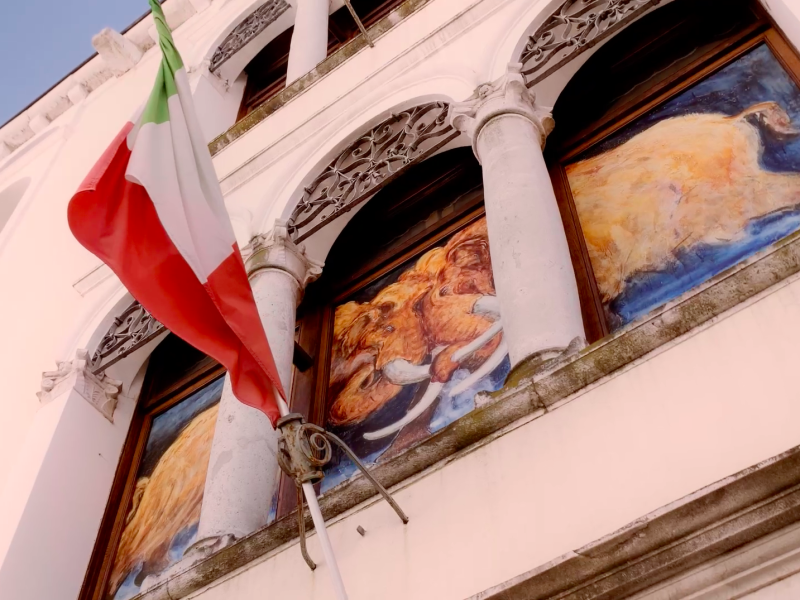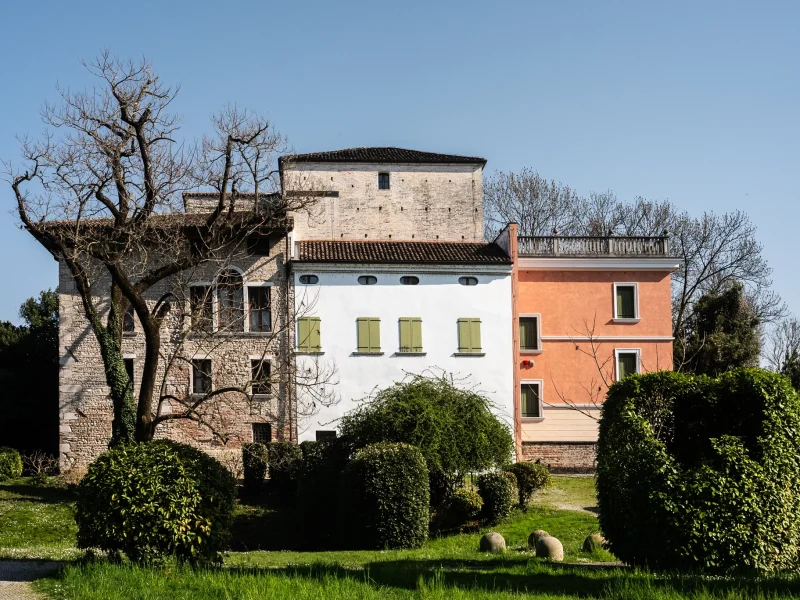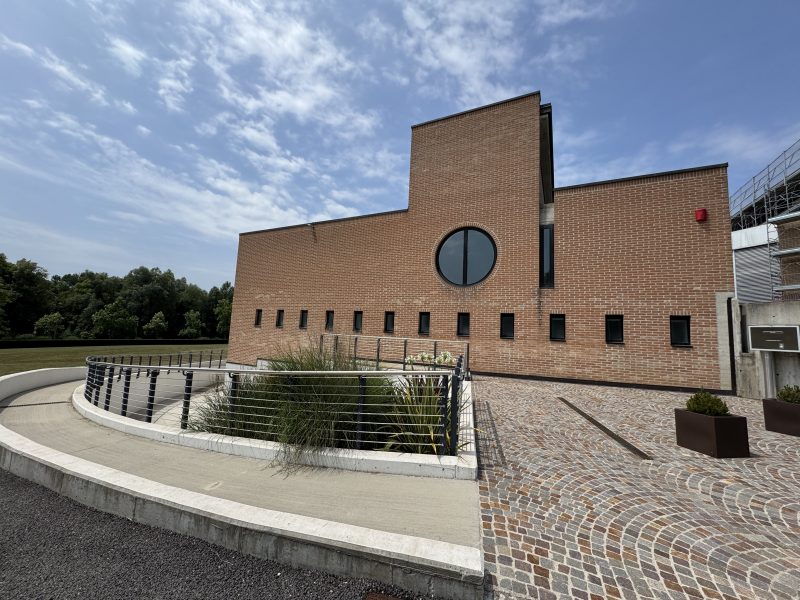
The Museo Civico d’Arte Ricchieri holds one of the most important art collections in Western Friuli, offering a journey across centuries of visual culture through painting, sculpture and decorative arts. The display unfolds chronologically from the Middle Ages to the nineteenth century; across 11 rooms, it traces the evolution of artistic languages in the Pordenone area, in constant dialogue with the great Venetian tradition.
The route opens with works from the 13th to the 15th century: detached frescoes, sculptures and fine examples of medieval woodcarving testify to the vitality of local artistic production. In the grand hall and the rooms that follow, paintings from the fifteenth and sixteenth centuries are presented, including devotional panels and altarpieces. Here the figure of Giovanni Antonio de’ Sacchis, known as Il Pordenone, comes to the fore — a leading figure of Renaissance painting and author of one of the most significant works: the altarpiece San Gottardo in trono fra i santi Sebastiano e Rocco (1525–1527). Alongside him appear artists connected to the Venetian and Friulian visual culture, including Pomponio Amalteo, who continues his legacy.
The rooms dedicated to later centuries take you into seventeenth- and eighteenth-century painting, among capricci, seascapes, views and devotional works.
An entire section of the museum is devoted to Michelangelo Grigoletti (1801-1870), a leading nineteenth-century portraitist and a central figure in the training of many artists in the area; it is thanks to the donation of paintings made by him, and later by his brother Lorenzo, that the first significant nucleus of works was formed, giving rise to the civic collection.
Alongside the historical collection, the museum also holds many masterpieces of the twentieth century, displayed on a rotating basis. These include artists from the region as well as internationally renowned figures such as Marc Chagall, Emilio Vedova, Giorgio de Chirico and Lucio Fontana.
The Museo Civico d’Arte Ricchieri is also a vibrant space within the city. After the 1976 Friuli earthquake, it plays a key role in safeguarding heritage, receiving and securing works from damaged churches. Today, this function translates into a constant commitment to the future: temporary exhibitions, projects and initiatives for schools and families, including “Nanna al museo”, which for one night transforms the exhibition spaces into the most extraordinary bedroom imaginable.
Today, the Ricchieri is part of Pordenone Musei. A jewel of art and history that allows you to gain a broader and more complete understanding of the cultural heritage of Western Friuli.
Chi lo ispira
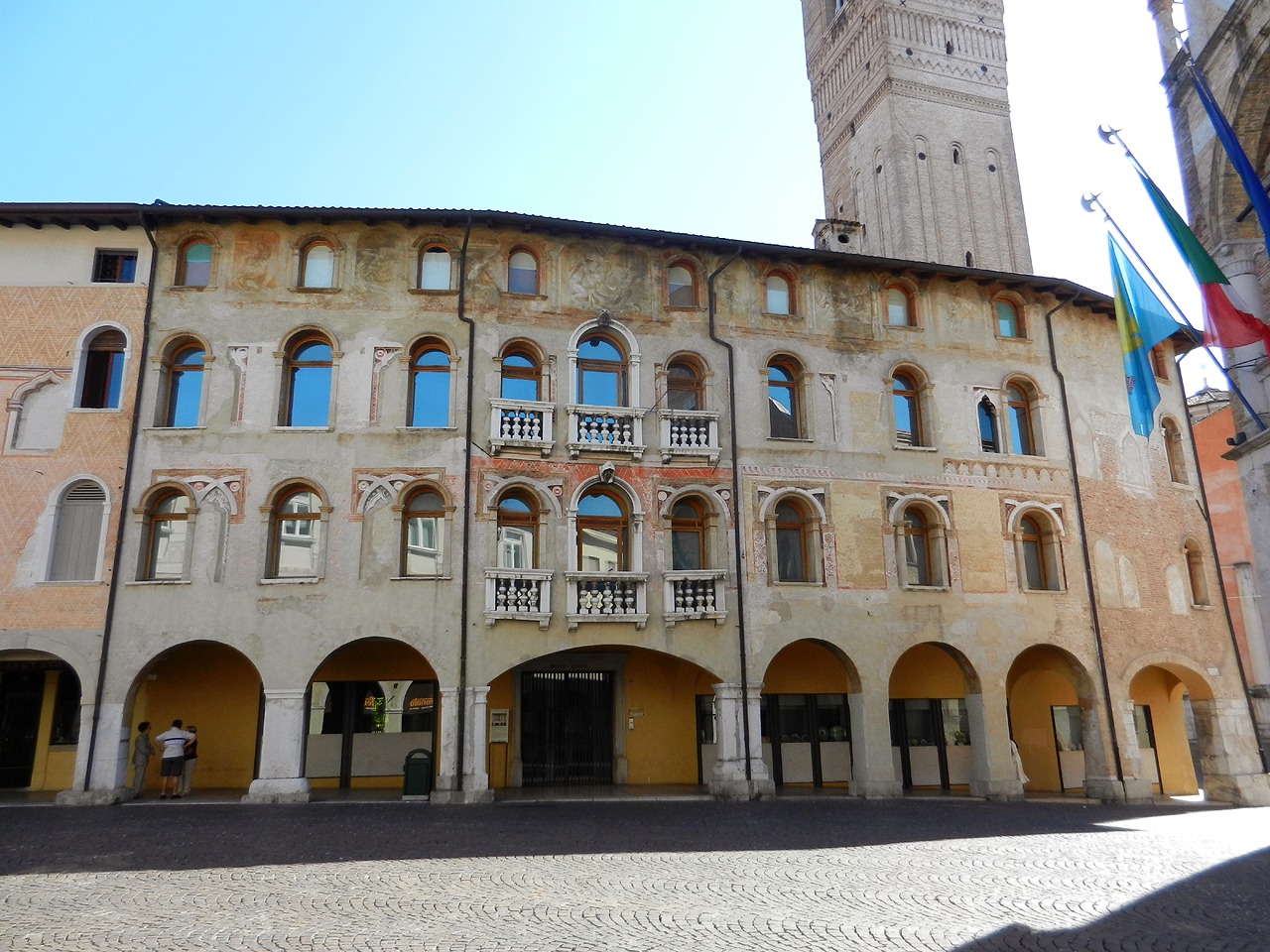
The Ricchieri are one of the most powerful families in the history of Pordenone. Rising in the fourteenth century from artisan origins, within a few decades they enter the city’s elite through a skilful network of marriages and political alliances. They gain titles, positions and prestige first under the House of Habsburg and later under the Republic of Venice.
Originally a medieval residence, the palace undergoes many transformations over the centuries and today preserves, in its masonry, decorations and vivid frescoes, the traces of a long family ascent shaped by diplomacy, military careers and generous donations to the city. A masterpiece among masterpieces.
Sapevi che…
The Museo Civico d’Arte Ricchieri displays several works by the most famous artist born in the city: Giovanni Antonio de’ Sacchis, known as Il Pordenone (1483/1484–1539). According to some art historians, there may also be a self-portrait of this major Renaissance figure. It would be found in the fresco of San Rocco (1515–1520), painted on a pillar of the Duomo Concattedrale di San Marco, just a short distance from Palazzo Ricchieri.
Although inserting oneself among the figures of one’s own work was a common practice among artists of the time, the attribution remains uncertain. What suggests this hypothesis is the way Il Pordenone portrays the saint’s face: strongly individualised features and a direct gaze towards the viewer.
This hypothesis inspires the sculptor Pietro Bearzi (1809-1870), who in 1834 creates a bust of the Pordenone painter. The sculpture welcomes you at the entrance to the museum, before the staircase leading to the main floor.