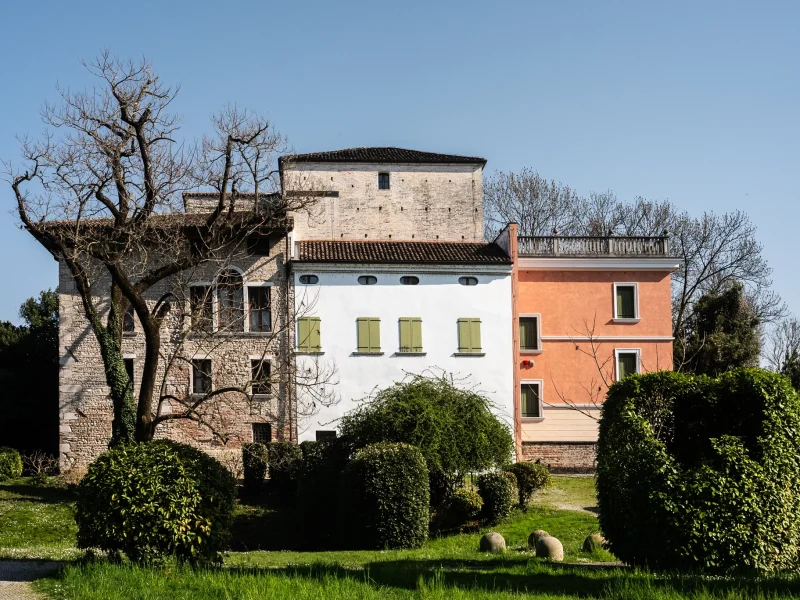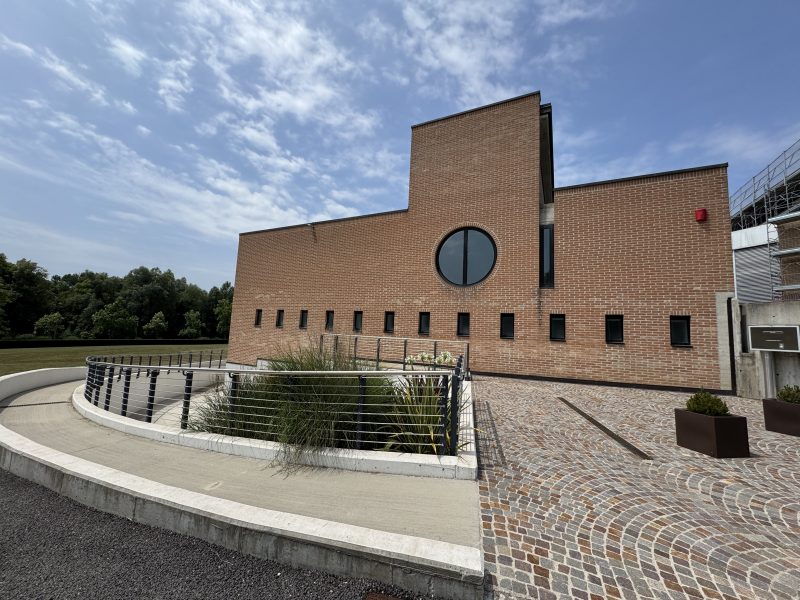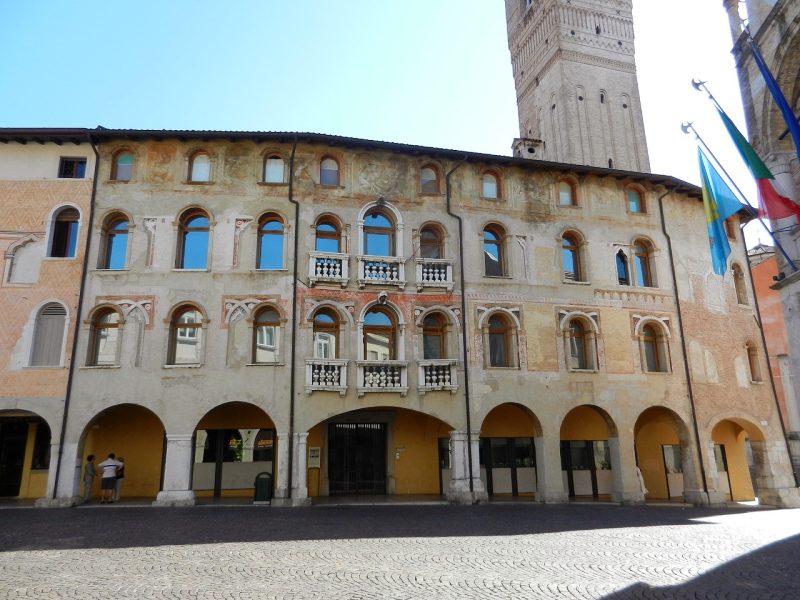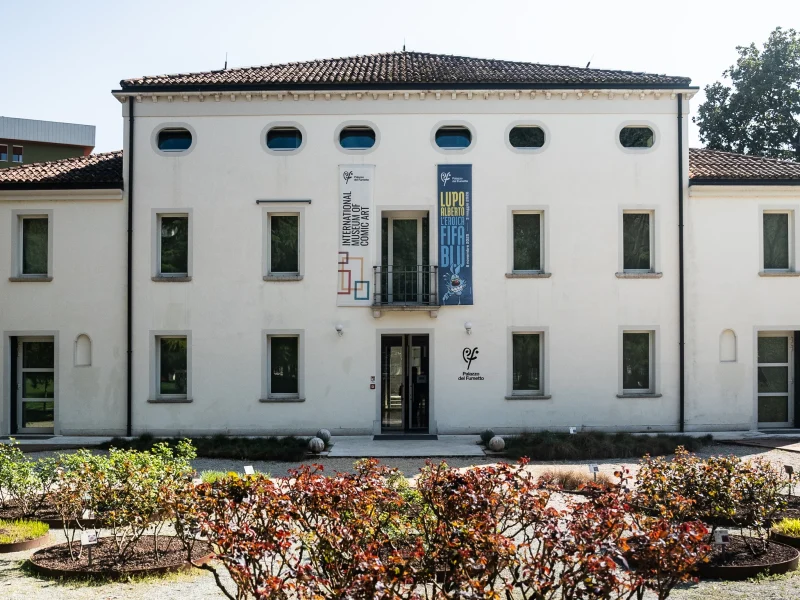

The Civic Museum of Natural History has been housed in the historic Amalteo Palace, in the heart of Pordenone’s old town, since 1971. Established thanks to the efforts of volunteers from the Silvia Zenari Naturalists’ Society, in 2007 it was named after the Friulian botanist and phytogeographer.
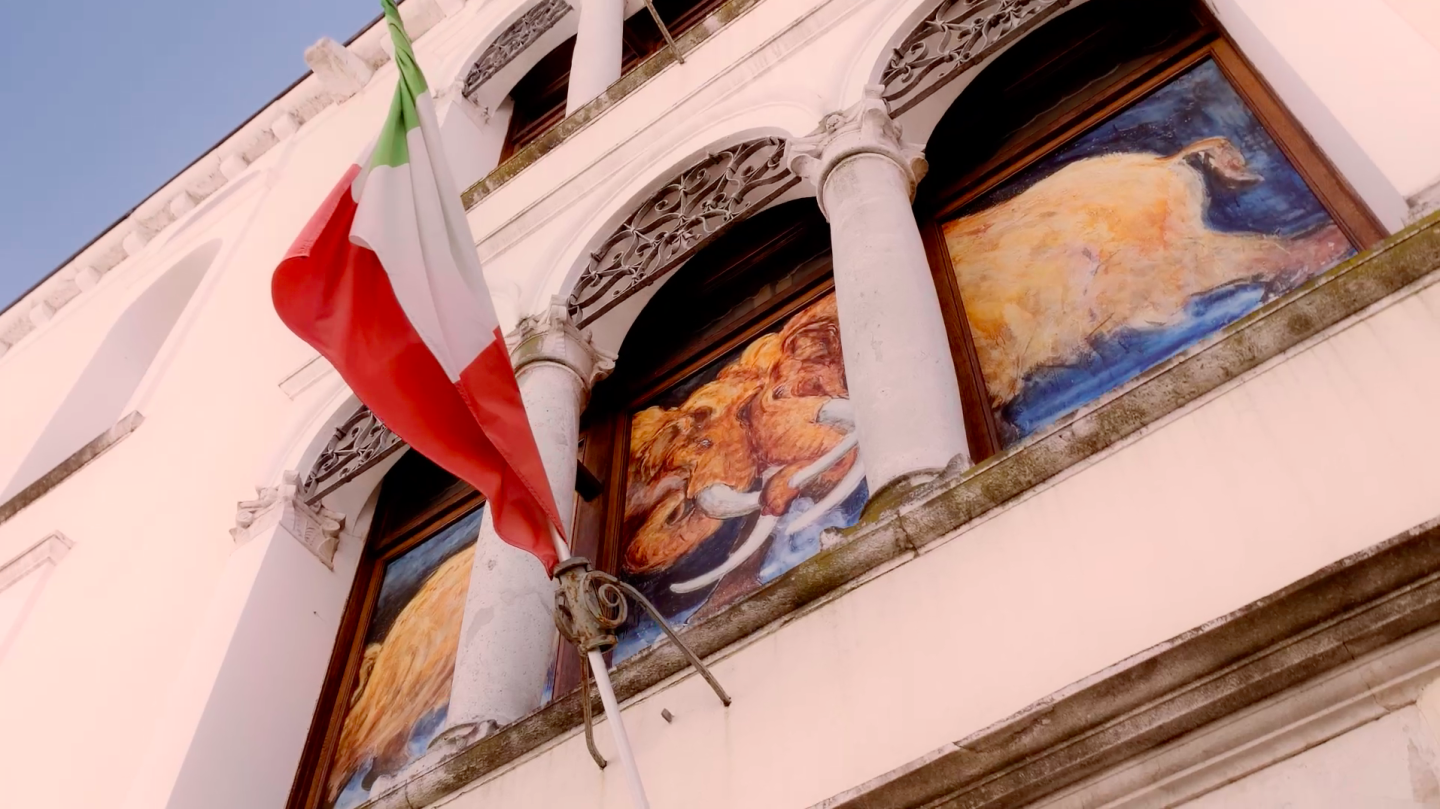
The exhibition takes you through a variety of distinct yet interconnected spaces: the mineralogy gallery, housing over a thousand specimens; the botany gallery, featuring herbariums, plants and seeds of practical use to humans; the entomology section, where dragonflies, grasshoppers, butterflies and beetles showcase the full diversity of the insect world; the Theatrum naturae, which bears witness to the transition from the ancient cabinets of curiosities to the modern science museum; the vertebrate galleries, from the mammal gallery to the savannah; the habitats and dioramas, which also preserve the historical memory of the museum’s layout. Alongside the exhibits, the museum holds an even more extensive scientific collection, with over 90,000 specimens including minerals, plants and animals. And then there is Gaetano the mammoth, a much-loved figure who instantly sparks the curiosity of the little ones and turns the visit into a memorable experience.
Alongside the permanent display, the museum also offers a space for temporary exhibitions, a specialist library, guided tours and educational activities, with facilities and information designed to be accessible to all.
Part of Pordenone Musei, today the museum forms part of a wider narrative in which nature, art and history come together in a single experience.
Chi lo ispira
A naturalist and lecturer in botany at the University of Padua, Silvia Zenari (1895–1956) was a scientist who devoted her life to the direct study of the local environment, focusing on geology, alpine flora and the landscape. In her work, she combined scientific rigour with a commitment to making her findings accessible, thereby making botany accessible to students and enthusiasts alike. Among her best-known works, *Flora escursionistica* (1957) is a field guide that enables the identification of plant species through simple observation. In recognition of the value of her research, she was awarded the Ministerial Prize for Natural Sciences by the Accademia dei Lincei.
The museum draws inspiration from this approach: a science that is open and accessible, based on direct observation and designed to be understood and appreciated by all.
“Many of our most beautiful species are (…) liable to disappear from a given area when they are collected too frequently — first and foremost orchids, (…) the Liliaceae (…), every kind of primula (…), gentians (…), cyclamens, anemones (…) and finally, with particular emphasis, the edelweiss.”
Sapevi che…
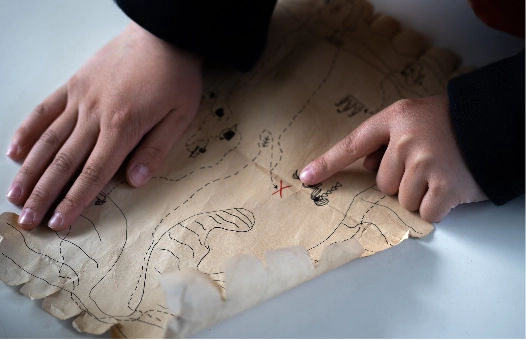
The museum offers a wide range of workshops, guided tours and educational activities for schools and organised groups. All spaces are accessible to visitors with mobility or sensory impairments. Some specimens are designed to be explored through touch as well: you can recognise them thanks to a dedicated label inviting interaction.
At the Museo di Storia Naturale di Pordenone, accessibility is more than a goal: it is a design opportunity to create memorable experiences for everyone.