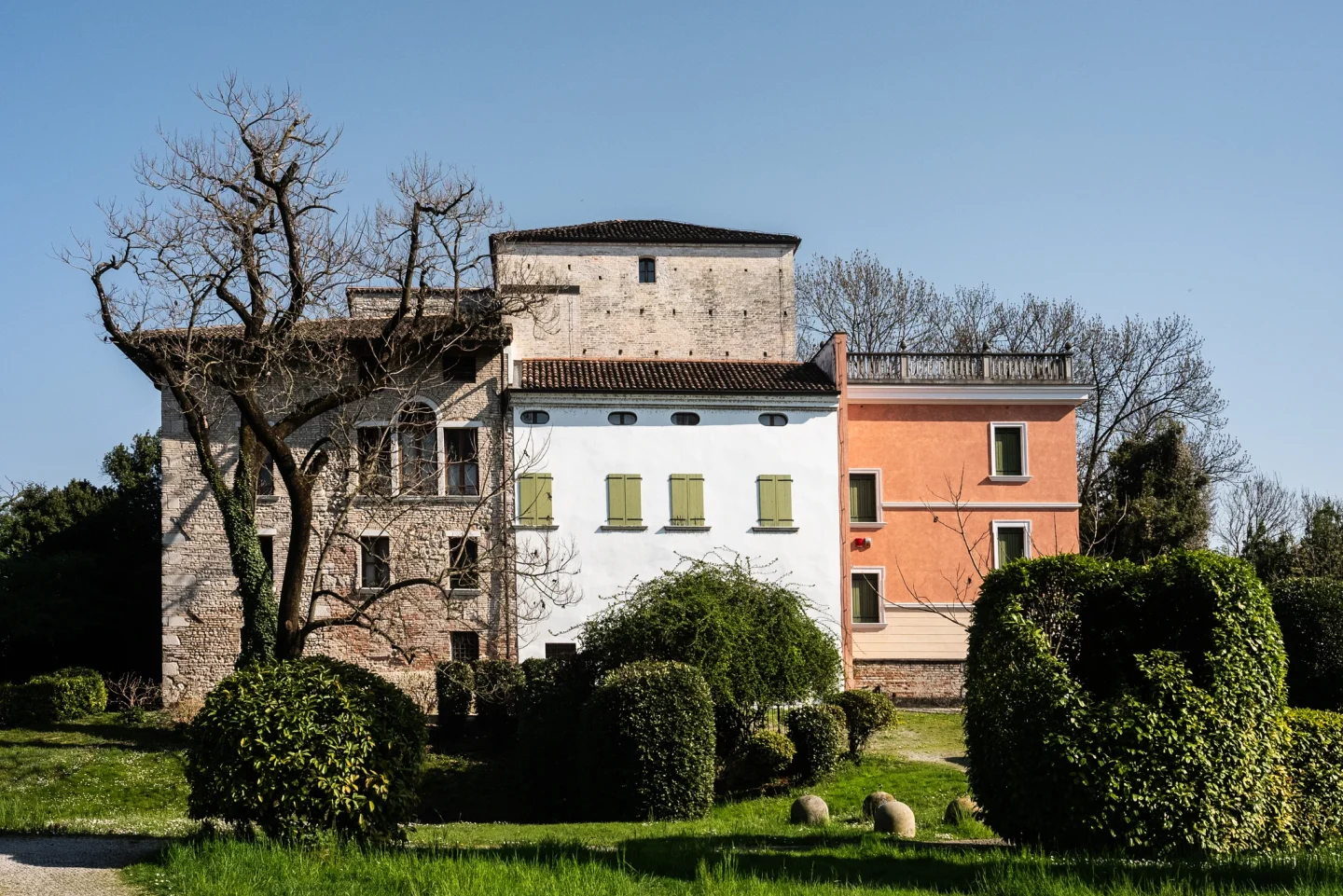
The Museo Archeologico del Friuli Occidentale is founded on the intuition of Count Giuseppe di Ragogna, who in the 1930s begins a systematic investigation of Torre and the surrounding area. His first excavation takes place in a domestic setting: the garden of his castle. Year after year, with the support of the local community, he uncovers necropolises and protohistoric evidence, leading to the discovery of a luxury imperial-era villa.
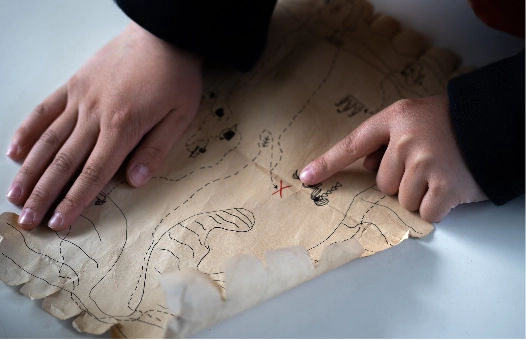
Driven by passion and very limited resources, his work is based on a forward-looking idea for its time: archaeology is not a treasure hunt, but a science of signs — or, as di Ragogna puts it, “for an archaeologist, a shard is worth more than a coin.”
It is an instinctive yet rigorous approach, anticipating a fully contemporary view of the discipline.
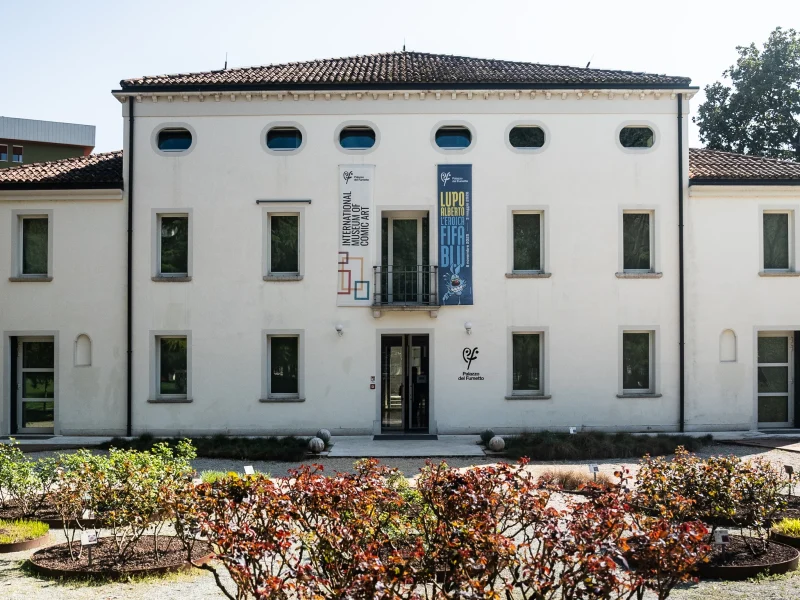
After 1970, the castle and its collections become public heritage. Today, the museum is arranged across 20 rooms, tracing the main phases of the region’s history: from early and late prehistory to protohistory, from the Roman and late Roman periods to the early and high Middle Ages. Artefacts, interpretive displays, reconstructions, and small and large treasures help you read excavation contexts and reconstruct everyday life in ancient communities. A unique opportunity to experience archaeology in a more direct, engaging and informed way.
Chi lo ispira
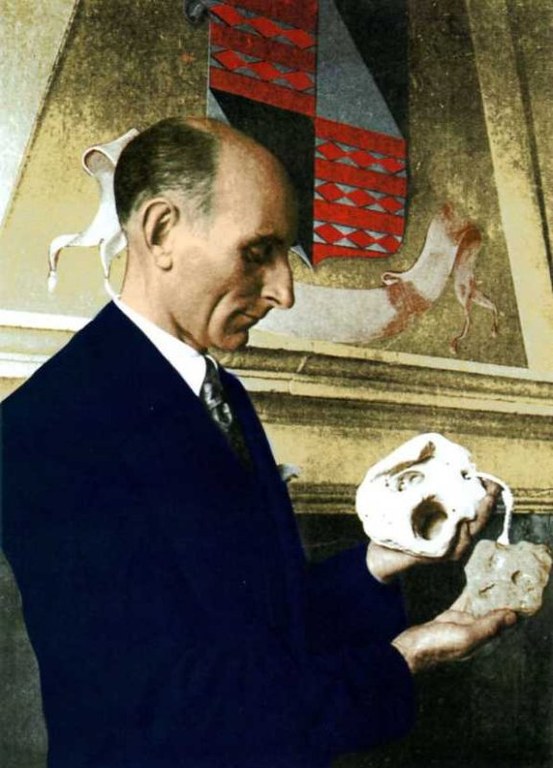
Count Giuseppe di Ragogna (1902–1970) was the owner of the castle that now houses the museum. His research begins with a forward-thinking conviction for its time: Western Friuli, too, holds a rich past. Building on this intuition, from the 1930s he launches systematic investigations in the area of Torre. The excavations prove him right: even the earliest traces reveal an unexpectedly rich and continuous Roman and pre-Roman history for Pordenone. With limited resources but rigorous passion, the count turns an intuition into scientific evidence, leaving to the public his castle, an invaluable archaeological heritage, and the idea that anyone can make a meaningful contribution to knowledge.
When (…) scholars and the public come to understand how much and what kind of evidence of Roman presence the Pordenone area offers, Torre di Pordenone will hold a place of honour.
Sapevi che…
Count Giuseppe Di Ragogna promotes an archaeology open to the community.
To carry out his excavations, Count Giuseppe di Ragogna seeks the support of those who live and work around his castle. But not only that. He also aims to foster in the local community a sensitivity to archaeology. He does so by publishing notices in local newspapers and broadcasting radio appeals to the residents of Torre — especially farmers — asking them to report any emerging walls or finds during fieldwork. An unusual approach for the time, anticipating a modern, participatory view of cultural heritage.