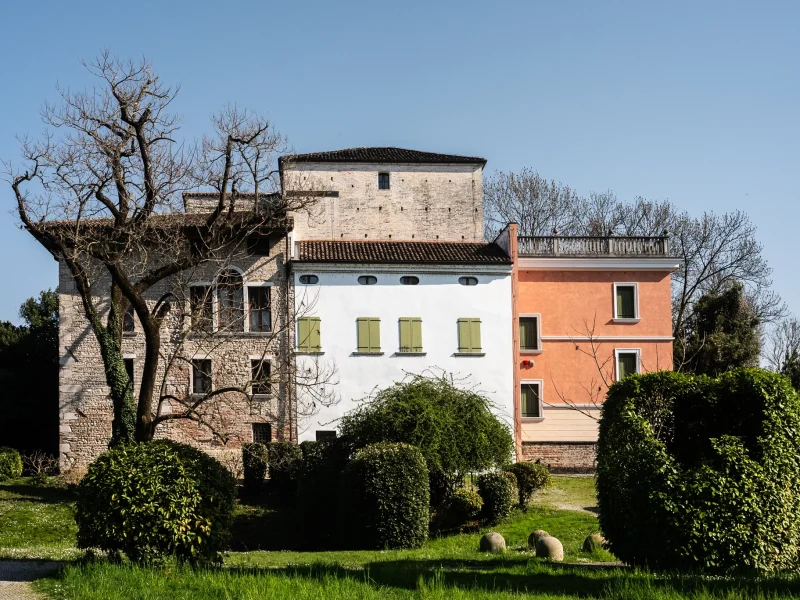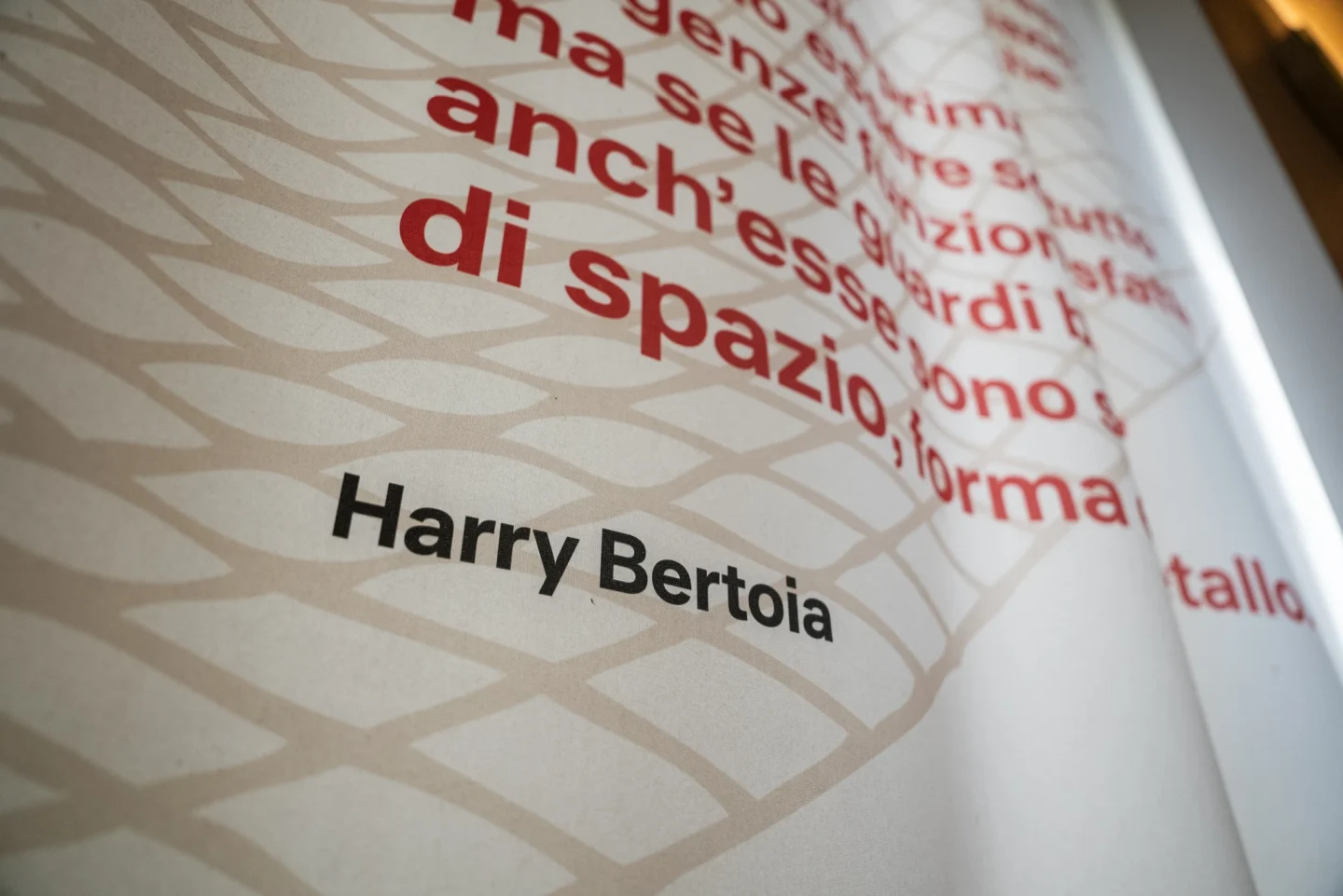
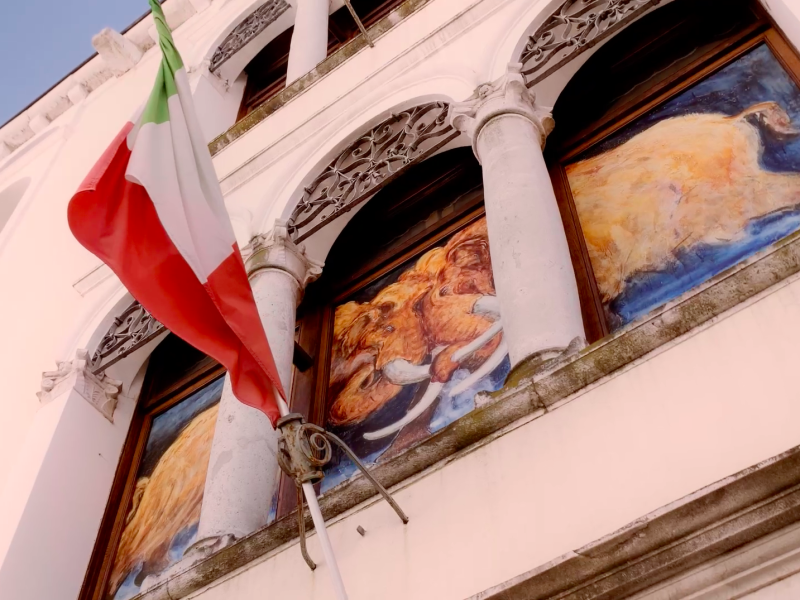
Galleria Bertoia is an exhibition space housed in the fourteenth-century Palazzo Spelladi; it takes its name from the internationally renowned artist and designer Harry Bertoia (1915–1978), who was born in Pordenone.
The exhibition programme develops through major temporary shows, often dedicated to author photography and conceived as full curatorial projects. Over the years, the space has hosted leading figures of the international scene such as Steve McCurry, Elliott Erwitt, Bruno Barbey, Inge Morath and Robert Doisneau, alongside key figures in Italian photographic culture such as Italo Zannier.
Exhibitions are often organised in thematic cycles that bring together different artists and languages. These are complemented by talks, presentations and in-depth events with artists and curators, turning the gallery into an active space for cultural production and exchange.
Today, Galleria Bertoia is part of Pordenone Musei: with its focus on modern and contemporary art, it makes a key contribution to the cultural life of the city.
Chi lo ispira
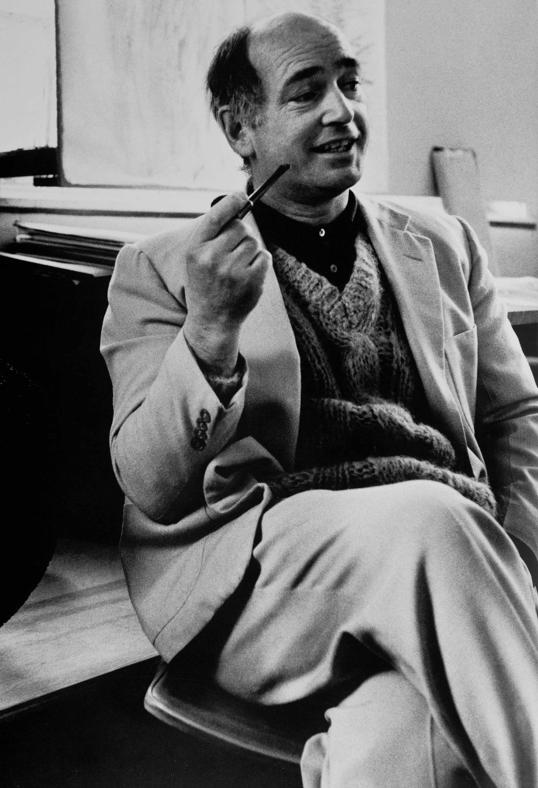
Harry “Arri” Bertoia (1915–1978) was born in San Lorenzo d’Arzene, near Pordenone, but his training was deeply international. After moving to the United States in the 1930s, he studied and later taught at the Cranbrook Academy of Art, one of the most advanced centres for twentieth-century design and art. A multidisciplinary artist, he worked across sculpture, graphics, goldsmithing and design, achieving worldwide recognition with the celebrated Diamond Chair (1951–52), a chair-sculpture made of welded steel rod that redefined the relationship between object and space. Yet it is in sculpture that he found his most radical expression, especially in large-scale works and in his “sound sculptures”, delicate metal structures that produce sound through the action of the wind. His creations, now held in international museums and collections, bring together matter, air and music, conveying an idea of art that is open and in constant dialogue with space and time.
It is precisely this open and experimental spirit that you can still encounter today in the programme of Galleria Bertoia: a space dedicated to the dialogue between languages, artists and contemporary visions.
“Now I create sculptures that can move with the wind or be touched and played like musical instruments. My works are spread all over the world, but for years I kept my best pieces at home, which is, in effect, my workshop. It may seem unusual, but I constantly test my ideas to refine them.”
Sapevi che…
Palazzo Spelladi, home to Galleria Bertoia, is a building constructed in the early fourteenth century that reflects the urban development of Pordenone in the Middle Ages.
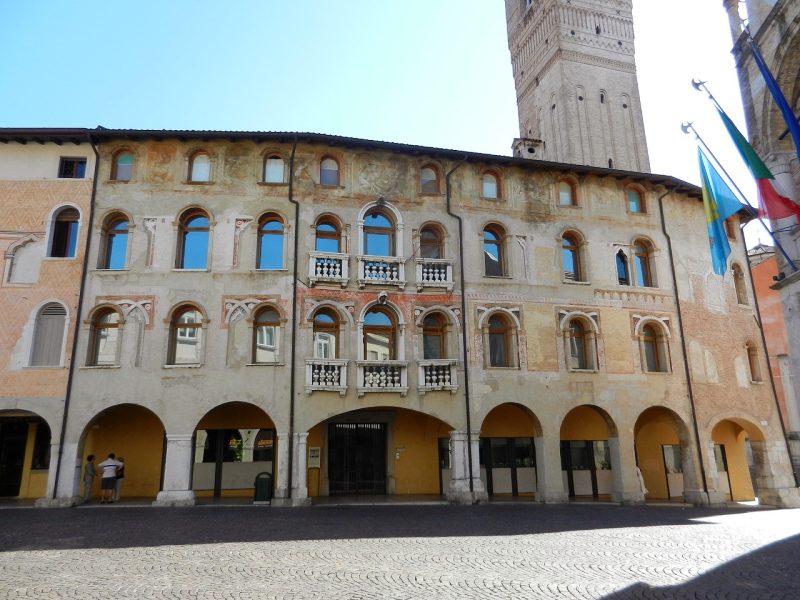
It stands in the very centre of the city, opposite Palazzo Ricchieri (home to the civic art museum), next to the Town Hall (1291) and just steps from the Duomo Concattedrale di San Marco (1278). Until 1777 it belonged to the Spelladi family, one of the city’s oldest; it later passed to the Rorario family, which in the Renaissance produced notable diplomats and men of letters, and more recently to the Silvestri family.
Transformed several times — including vertical extensions in the 1930s and damages during the war — it was acquired by the municipality in 1980 and restored in 2014, taking on its current exhibition function.