From the sixteenth century, a fashion spreads among courts and aristocracies: the Wunderkammern. These are rooms filled with rare creatures and objects designed to astonish and amaze. In 1565, Samuel Quiccheberg attempts an early classification of the items on display: mirabilia, naturalia, artificialia, antiquitates, exotica, scientifica. Over time, the perspective changes: natural specimens are no longer seen only as curiosities, but as objects of study. Thus emerges the Theatrum Naturae, theorised by Ulisse Aldrovandi: a space still spectacular, but more ordered and supported by scientific texts. This shift leads to eighteenth-century cabinets and, eventually, to the modern museum.
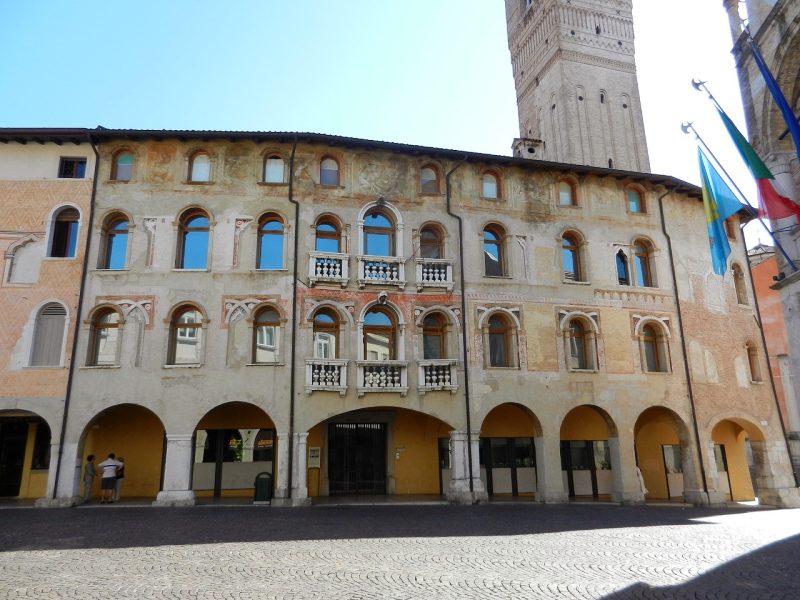
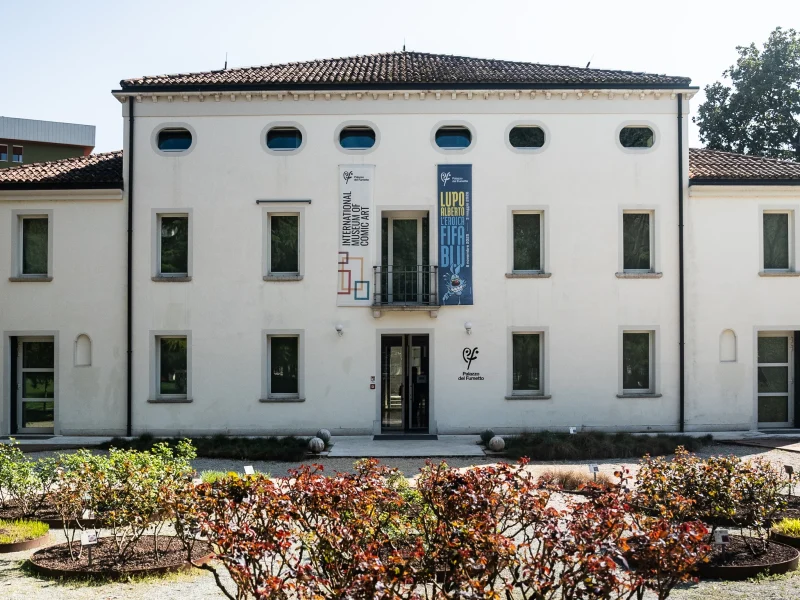
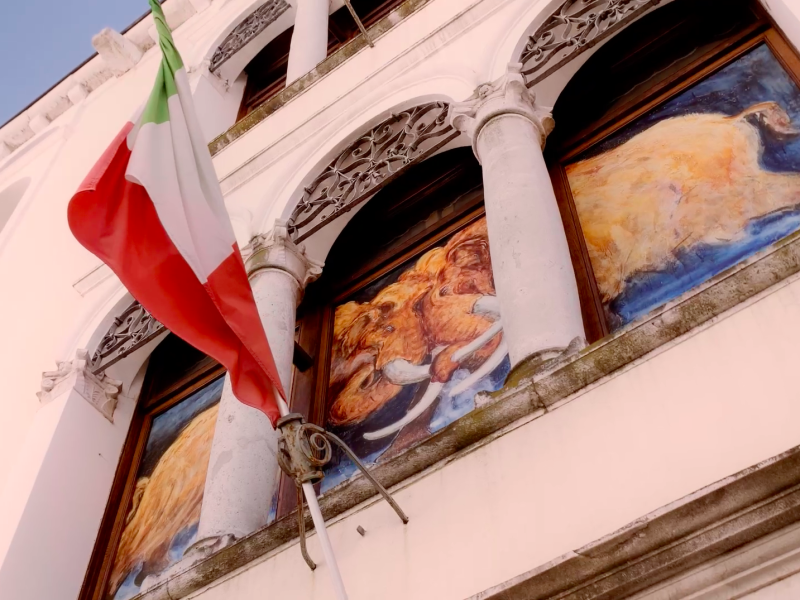
On the main floor of Palazzo Amalteo, it is precisely the evolution of the Theatrum Naturae that takes shape: among sea monsters and tortoise carapaces, albino animals and brightly coloured parrots, false unicorns and two-headed creatures that once truly existed.