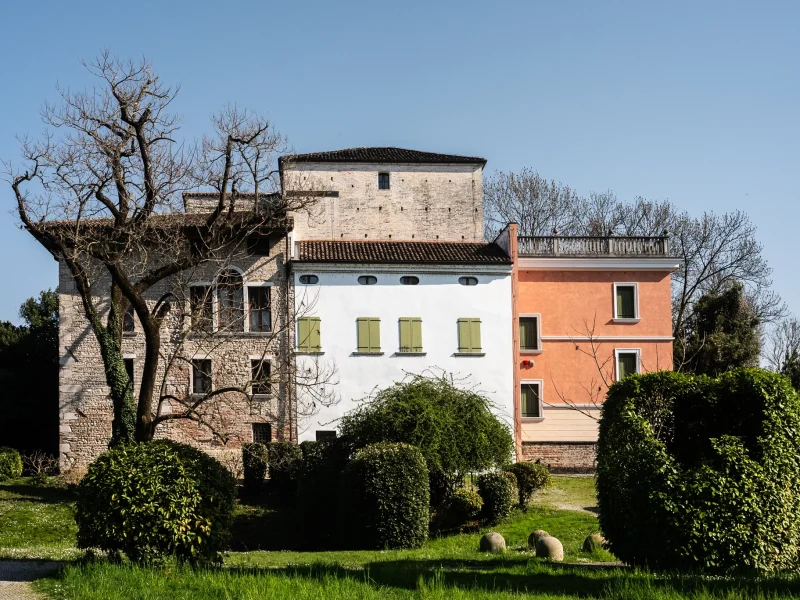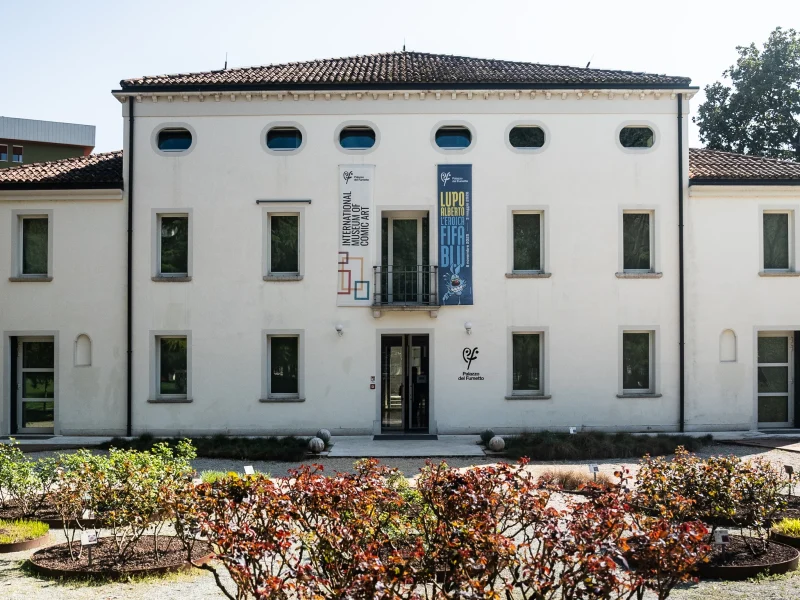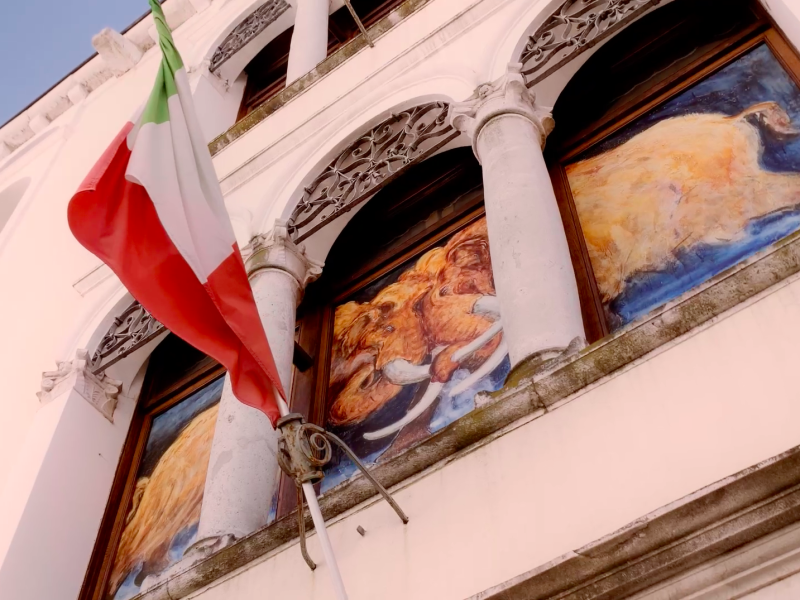
The Archaeological Museum of Pordenone is housed in one of the city’s oldest buildings. At first glance, its appearance does not match the image you might have of a castle.
Built in the 13th century as a defensive tower, it was entrusted by the Patriarch of Aquileia to the lords of Prata. In 1391, it passed into the hands of the Counts of Ragogna, who gradually transformed it into a residential palace through a series of structural and decorative alterations.
Traces of its earliest past are clearly visible in many details, some more obvious than others, both inside and outside the building. It was precisely these historical clues that sparked the passion for archaeology in the last owner, Count Giuseppe di Ragogna. From the 1930s onwards, the rooms of what was then his home began to house the archaeological finds unearthed during the first excavations carried out in his garden.
Since 2006, the palace becomes a museum. A route across 24 rooms presents important evidence on the origins of Pordenone and its surrounding area, from prehistory to the Renaissance, including a remarkably rich Roman and late Roman period. In particular, Room 22 displays a series of wooden models reconstructing the volumetric and architectural evolution of the castle: a masterpiece of history among the masterpieces of archaeology.